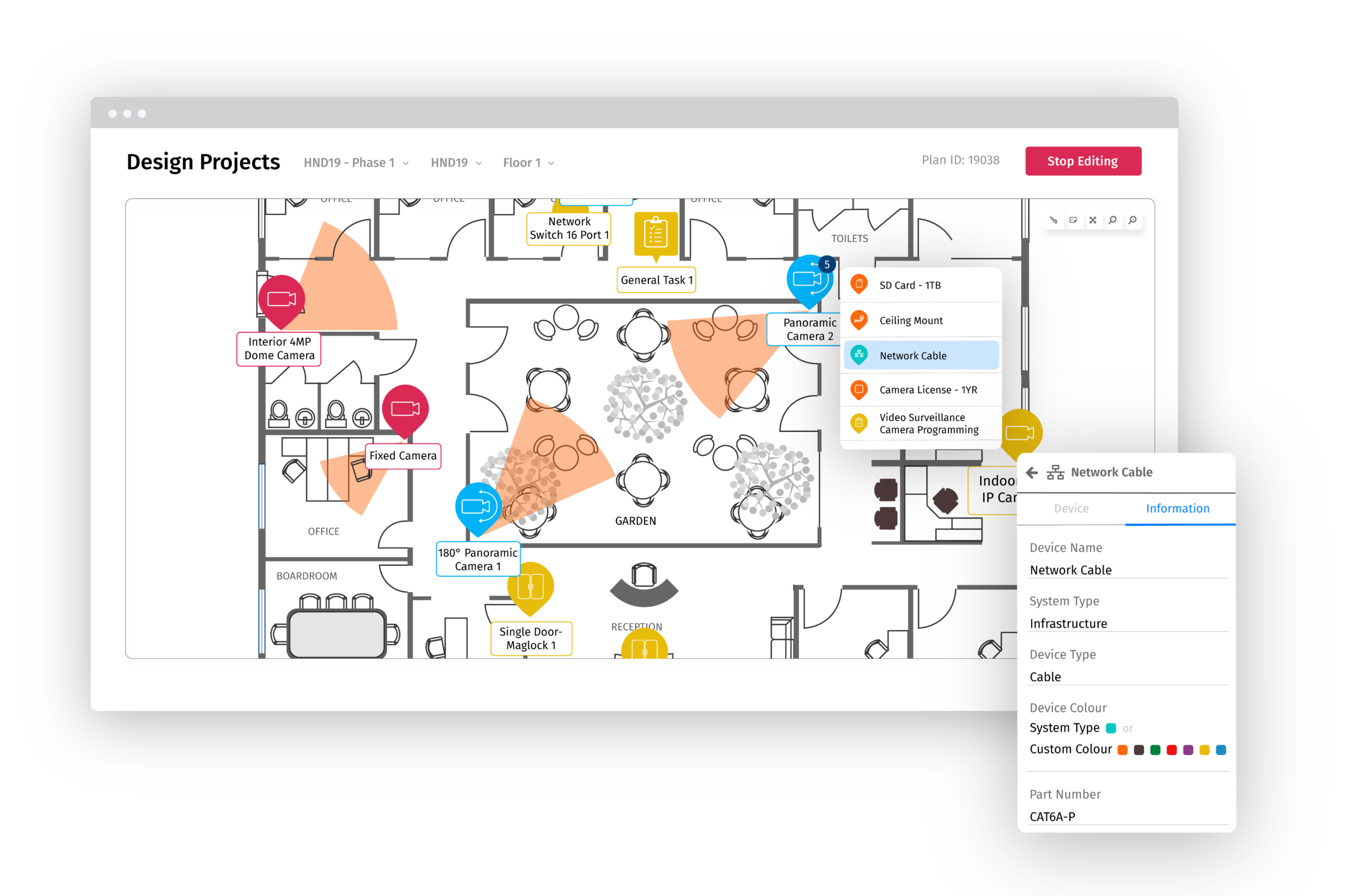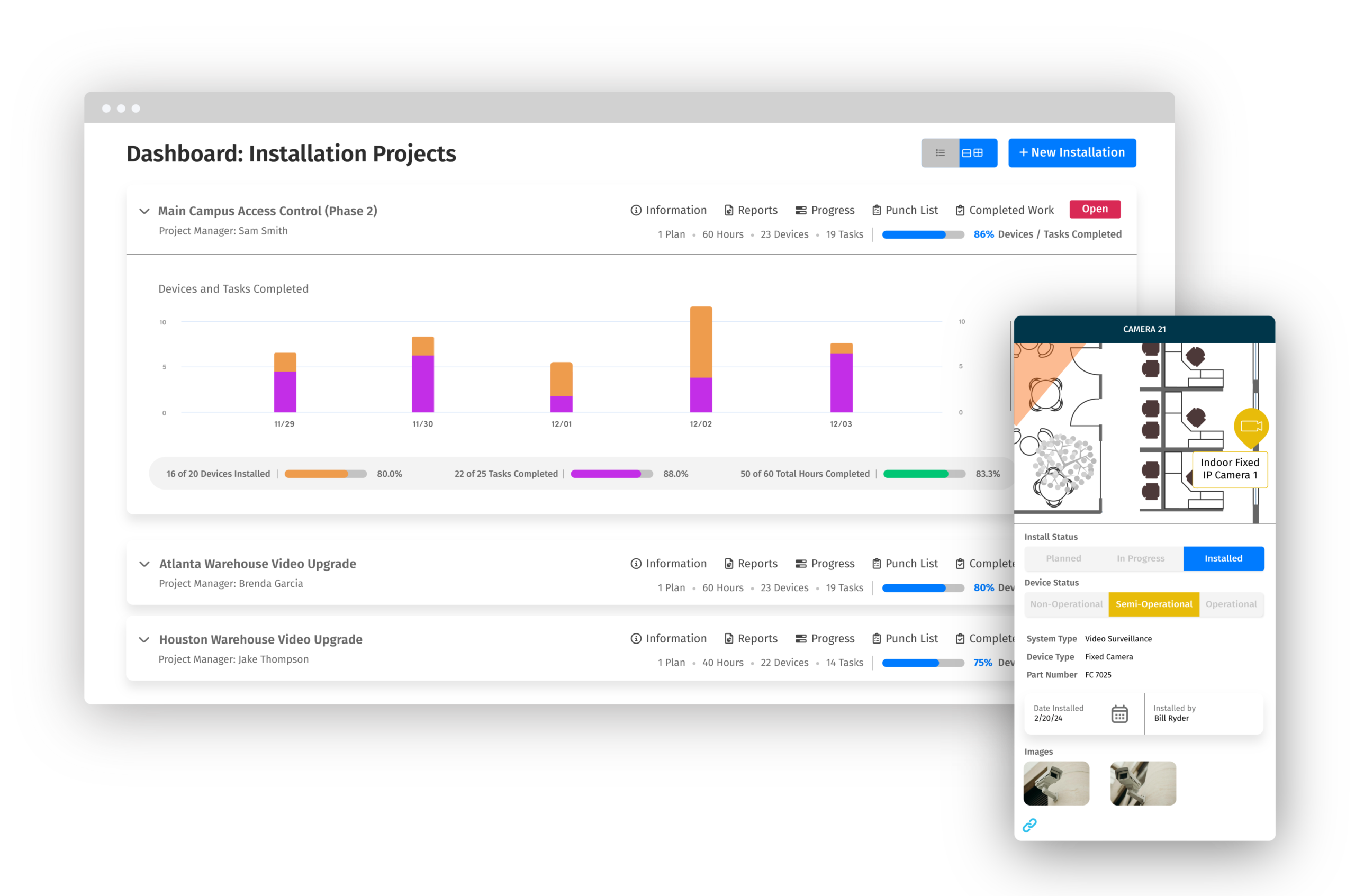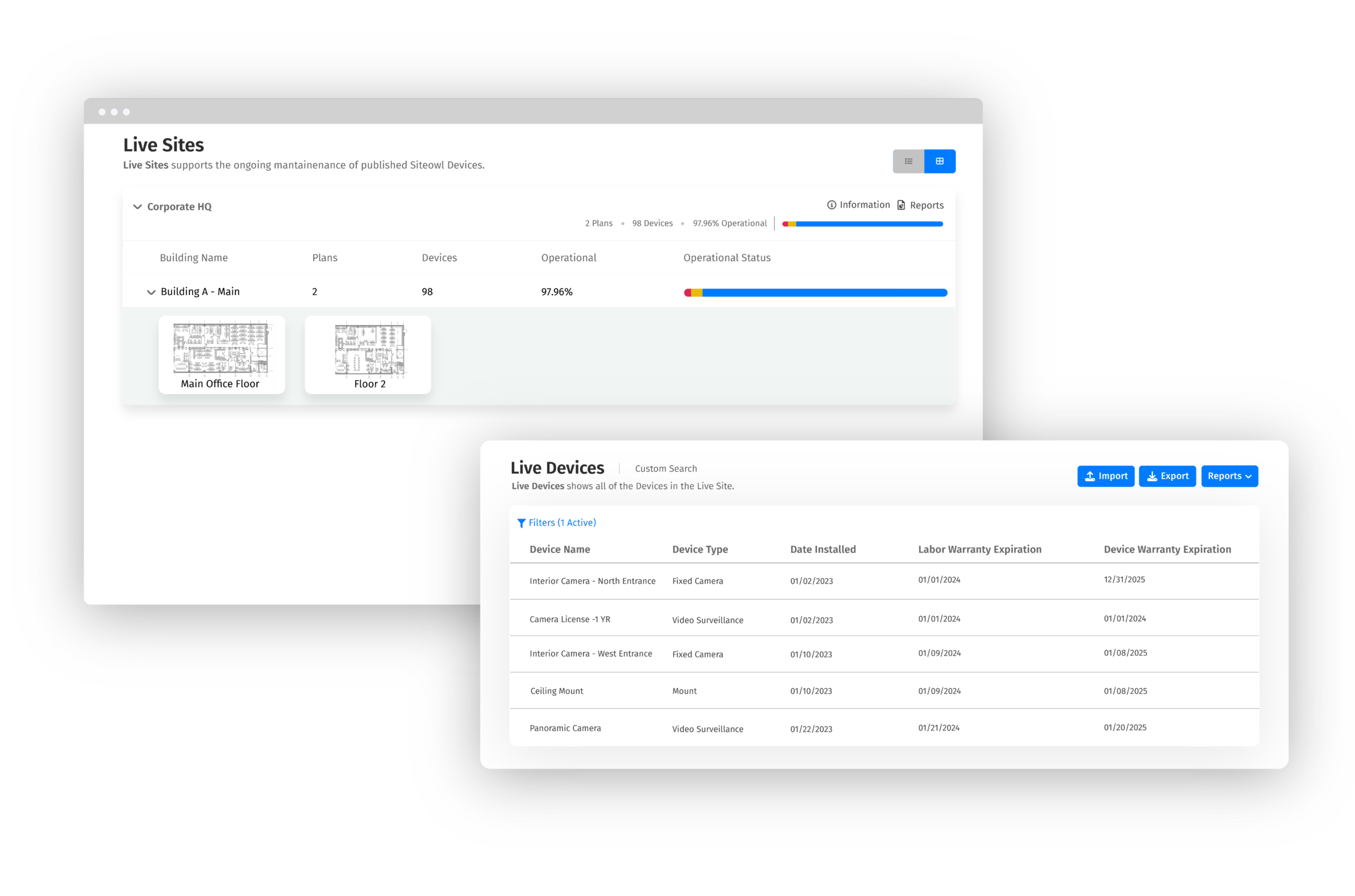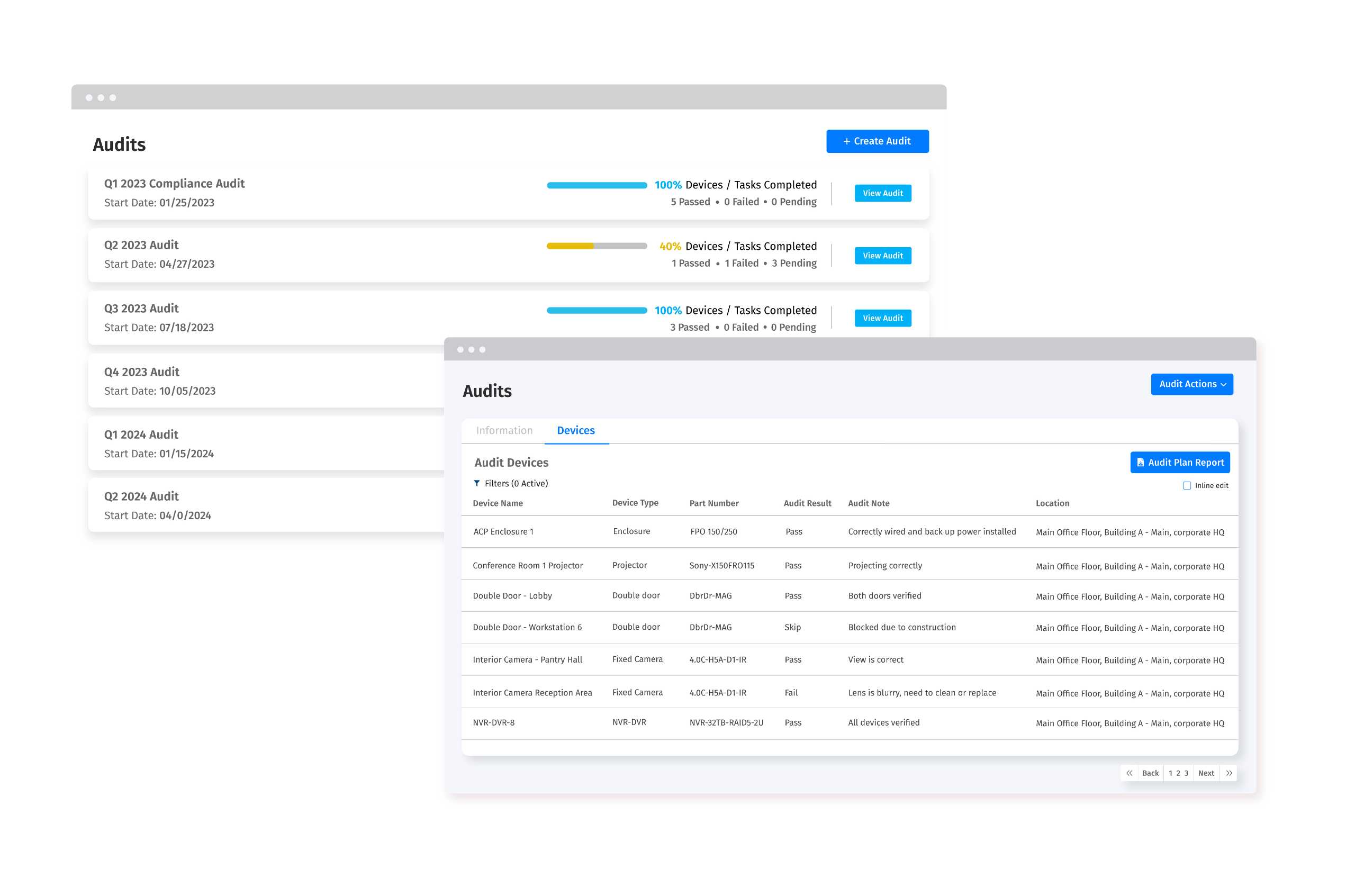
Cameras, access control, alarms across every building — and no system to track any of it.
Physical security in K–12 schools is not a single system — it is a layered combination of cameras, access control, door hardware, lighting, fencing, alarm systems, and panic devices installed across campuses over years, often by multiple vendors, under multiple contracts. The coordinators responsible for that infrastructure are not security engineers. They are facilities directors, safety coordinators, and IT leads managing a program that keeps expanding while the documentation for it stays behind.
State legislatures have taken notice. Alyssa's Law, now enacted in several states, requires schools to maintain silent panic alarm capability — specific equipment, verified to be in place. Broader school safety planning mandates require documented vulnerability assessments and maintained security plans. The expectation is that districts can demonstrate what they have, where it is, and that it works.
Most cannot. Not because the equipment isn't there — but because no one has a clean, current record of it.