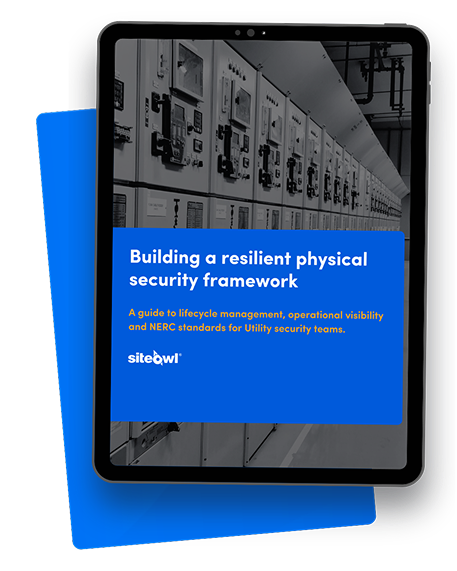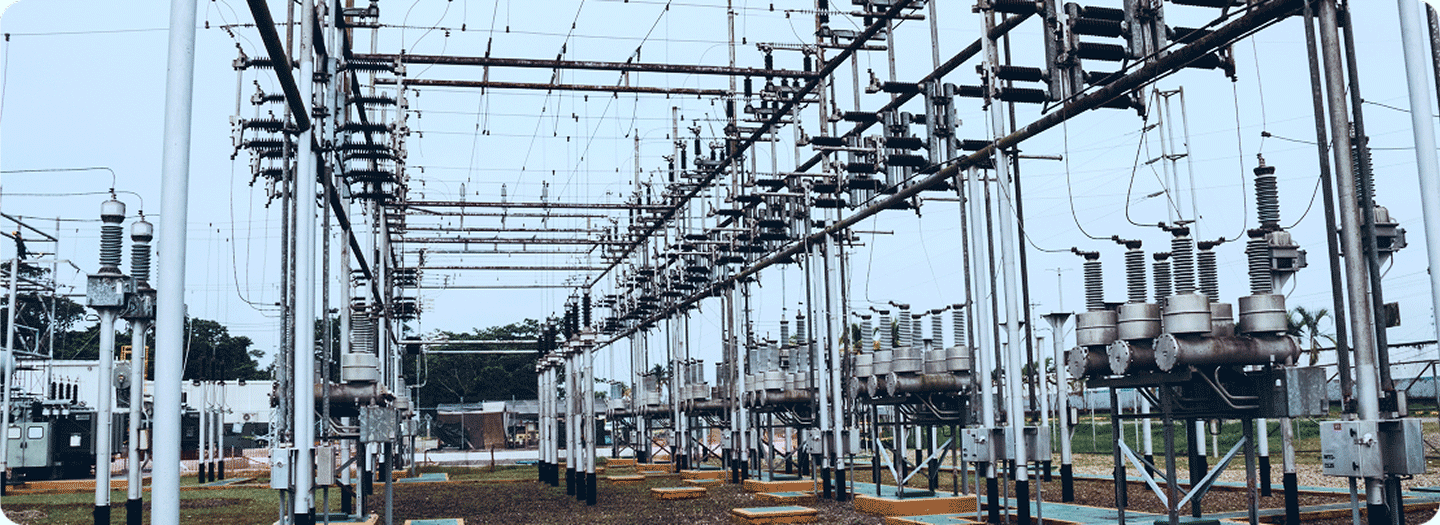
Maintain a reliable record of security infrastructure across critical utility sites


See what security systems are deployed across substations and facilities, what was designed, what was installed, and what exists today.

Maintain a reliable record of security infrastructure across critical utility sites

Managing security across critical infrastructure requires continuous oversight.

Utility security teams oversee physical security systems across substations, generation plants, and operational facilities. Compliance with standards such as NERC CIP-014 requires documented security plans, risk assessments, and records of infrastructure changes at critical sites.

Much of this work is performed by external integrators and contractors, and oftentimes, multiple integrators can be delivering projects simultaneously. Over time, installation records, system documentation, and project files become distributed across vendors, project teams, and internal folders. As infrastructure evolves, organizations often lose a reliable record of what security systems are actually deployed at each facility.

When records become incomplete or outdated, demonstrating compliance during regulatory audits gets difficult and planning future upgrades becomes less reliable.
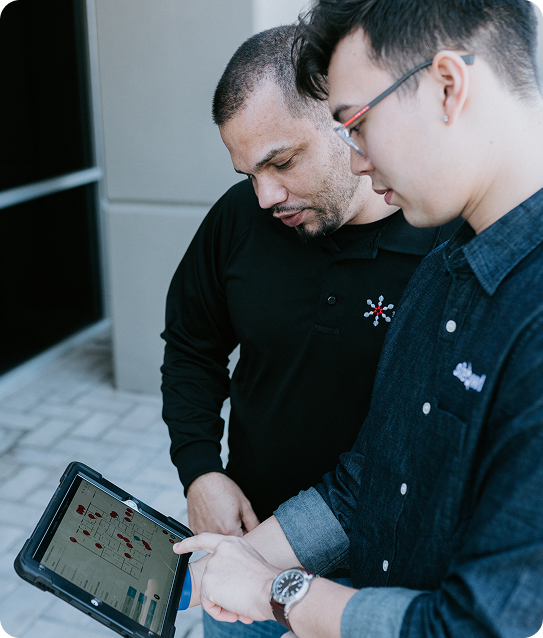
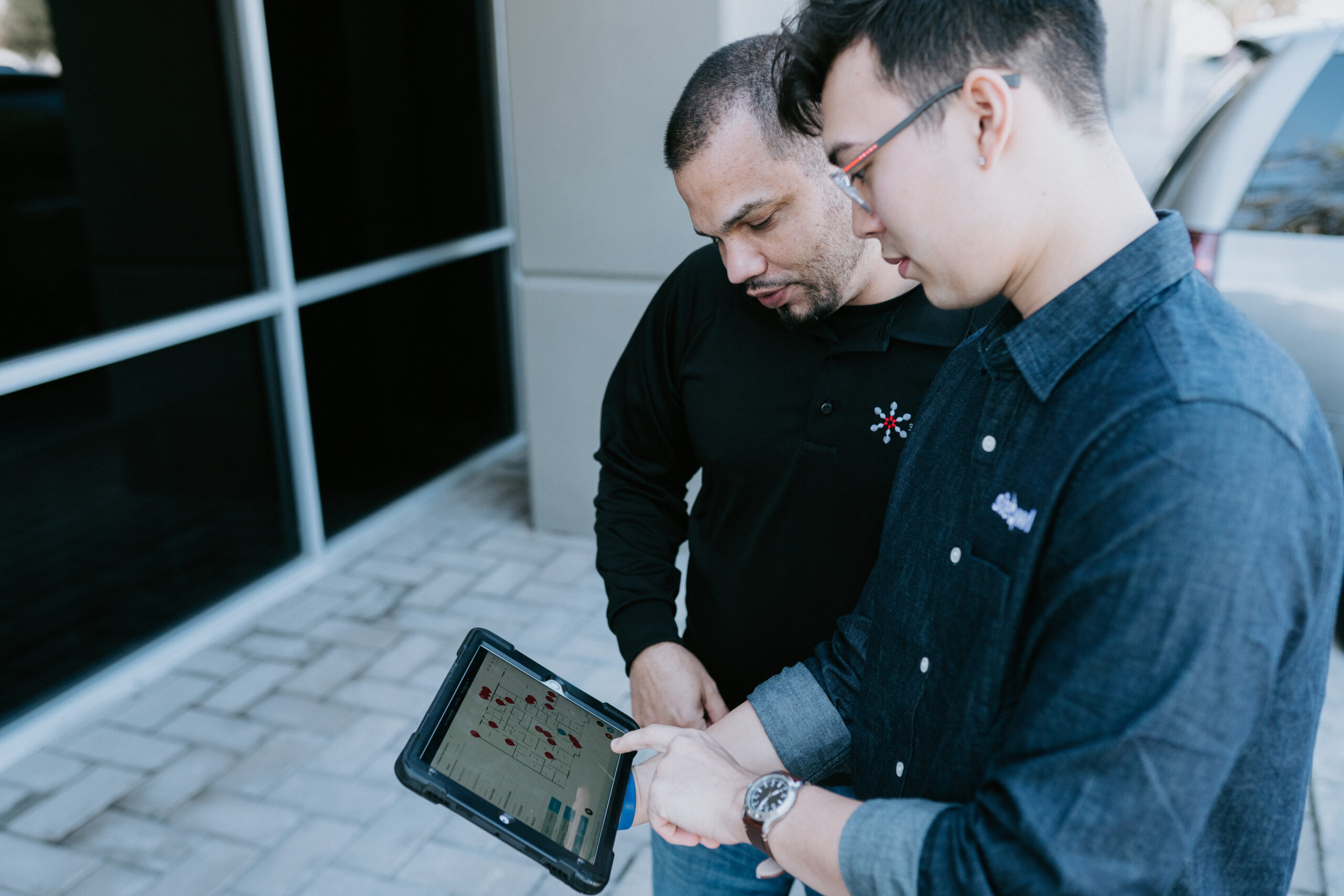
Lifecycle management maintains a continuous system record.

Lifecycle management keeps security system design, installation records, asset data, and subsequent changes connected in one place. Instead of documentation being spread across project folders and vendors, teams maintain a single, continuously updated record of security infrastructure across facilities.

  • what systems were originally designed.
  • what equipment was installed.
  • what changes have been made over time.
  • what security infrastructure exists today at each site.

For utilities operating critical infrastructure, this record supports regulatory oversight, operational planning, and long-term infrastructure management.

Lifecycle management maintains a continuous system record. Lifecycle management maintains a continuous system record.

Bring clarity and control to security infrastructure management.

Maintain a clear, trusted record of security infrastructure across substations and operational facilities.

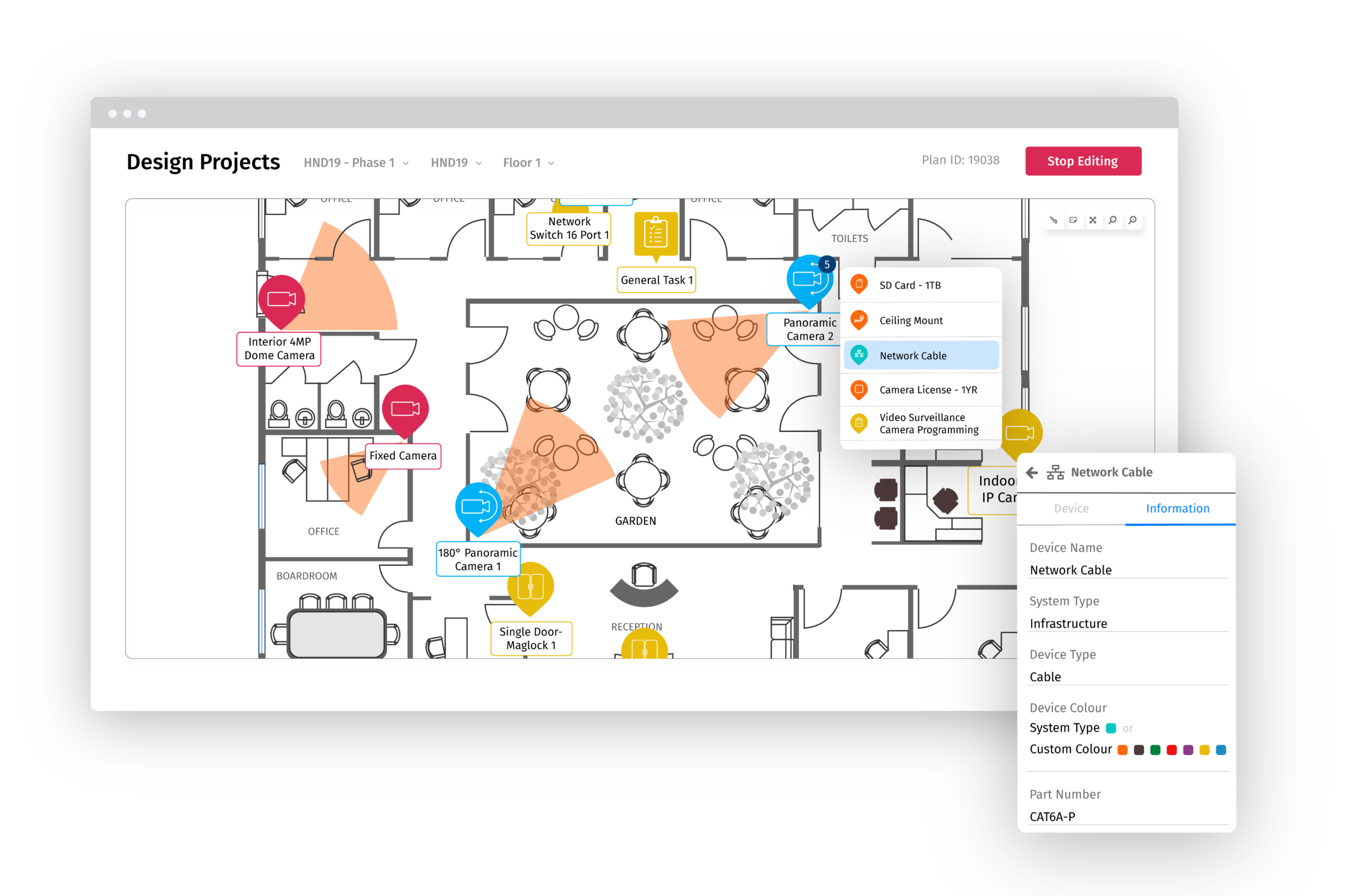
Align security system design with what gets installed.

Design standards often lose clarity once projects move from engineering to field installation. Lifecycle management preserves design intent so installations reflect approved system standards.

  • check mark

    Apply consistent design standards across sites

  • check mark

    Maintain alignment between system design and field installation

  • check mark

    Provide clear project scope for integrators and installation teams

Align security system design with what gets installed.
Maintain oversight of integrator work.

Maintain oversight of integrator work.

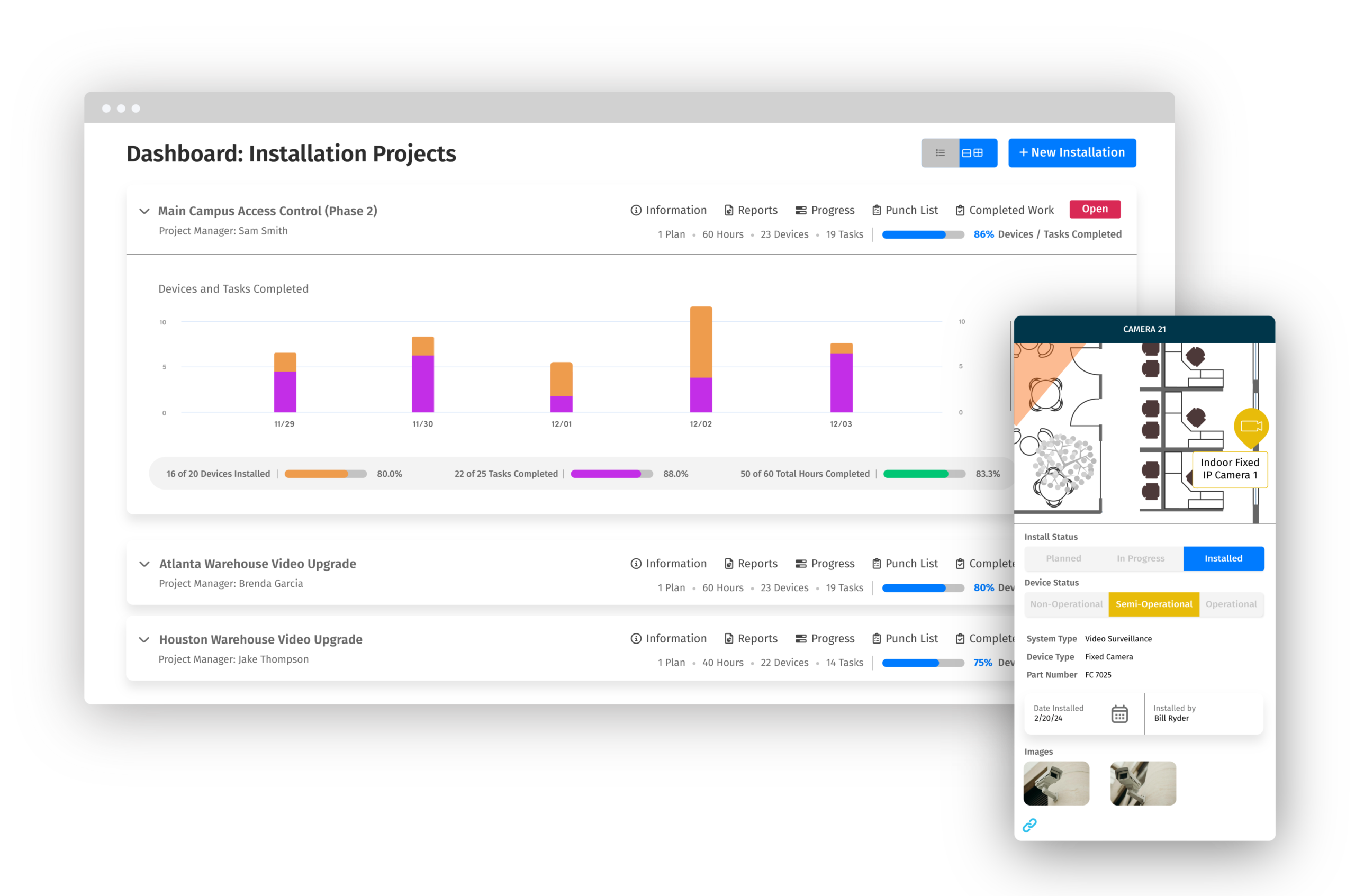
Utilities rely heavily on external integrators to deploy and upgrade security systems. Lifecycle management maintains visibility into what vendors are installing and ensures it aligns with approved designs.

  • check mark

    Track installation progress across projects

  • check mark

    Verify deployed systems match design specifications

  • check mark

    Maintain installation records as work is completed

Maintain accurate records of deployed infrastructure.

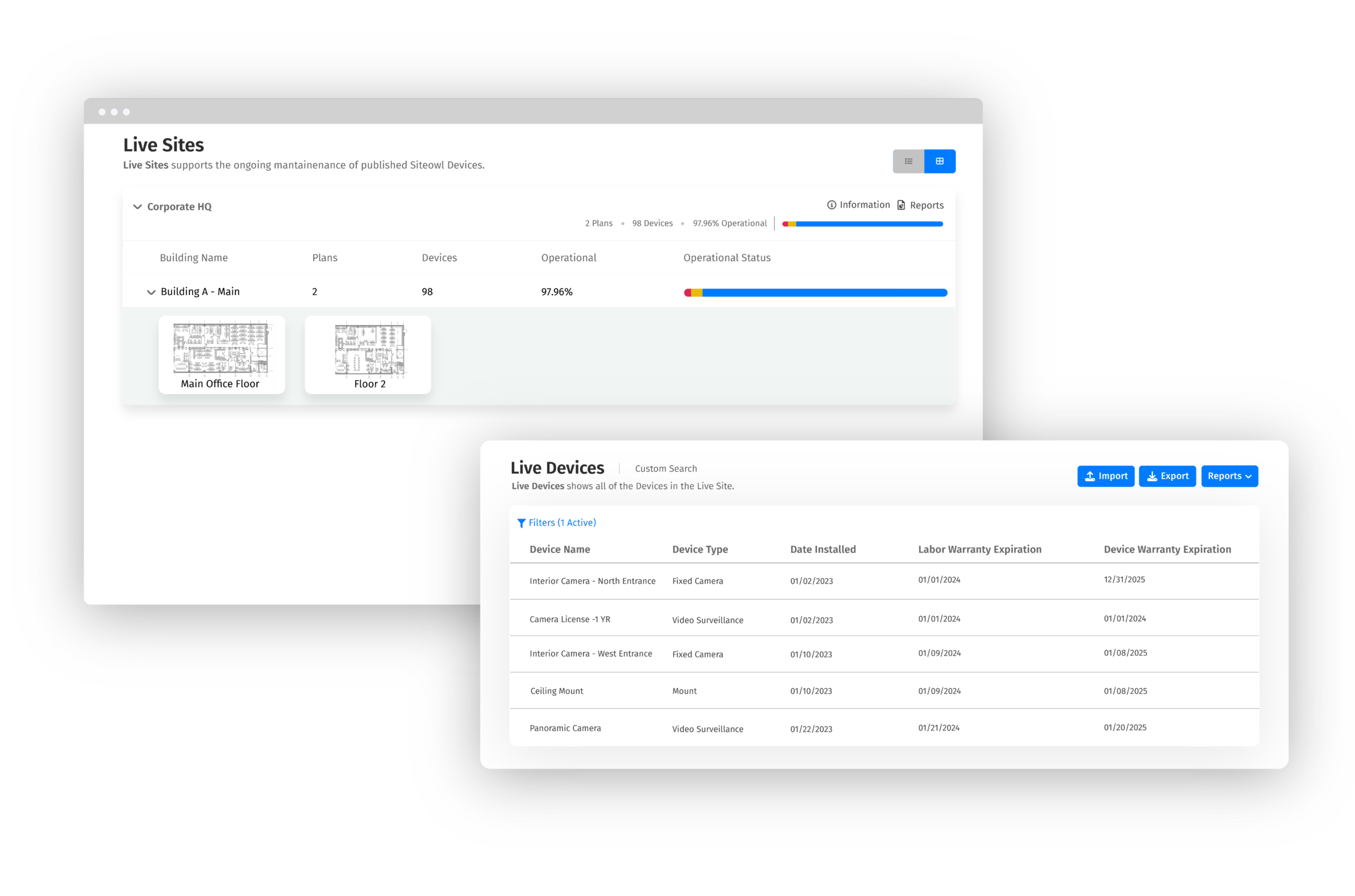
Utilities need more than a device inventory. They need confidence the record reflects what actually exists in the field. Lifecycle management keeps documentation continuously updated as systems change.

  • check mark

    Maintain accurate records of deployed security devices

  • check mark

    Keep system documentation current across facilities

  • check mark

    Support regulatory audits with reliable infrastructure data

Maintain accurate records of deployed infrastructure.
Plan upgrades with confidence.

Plan upgrades with confidence.

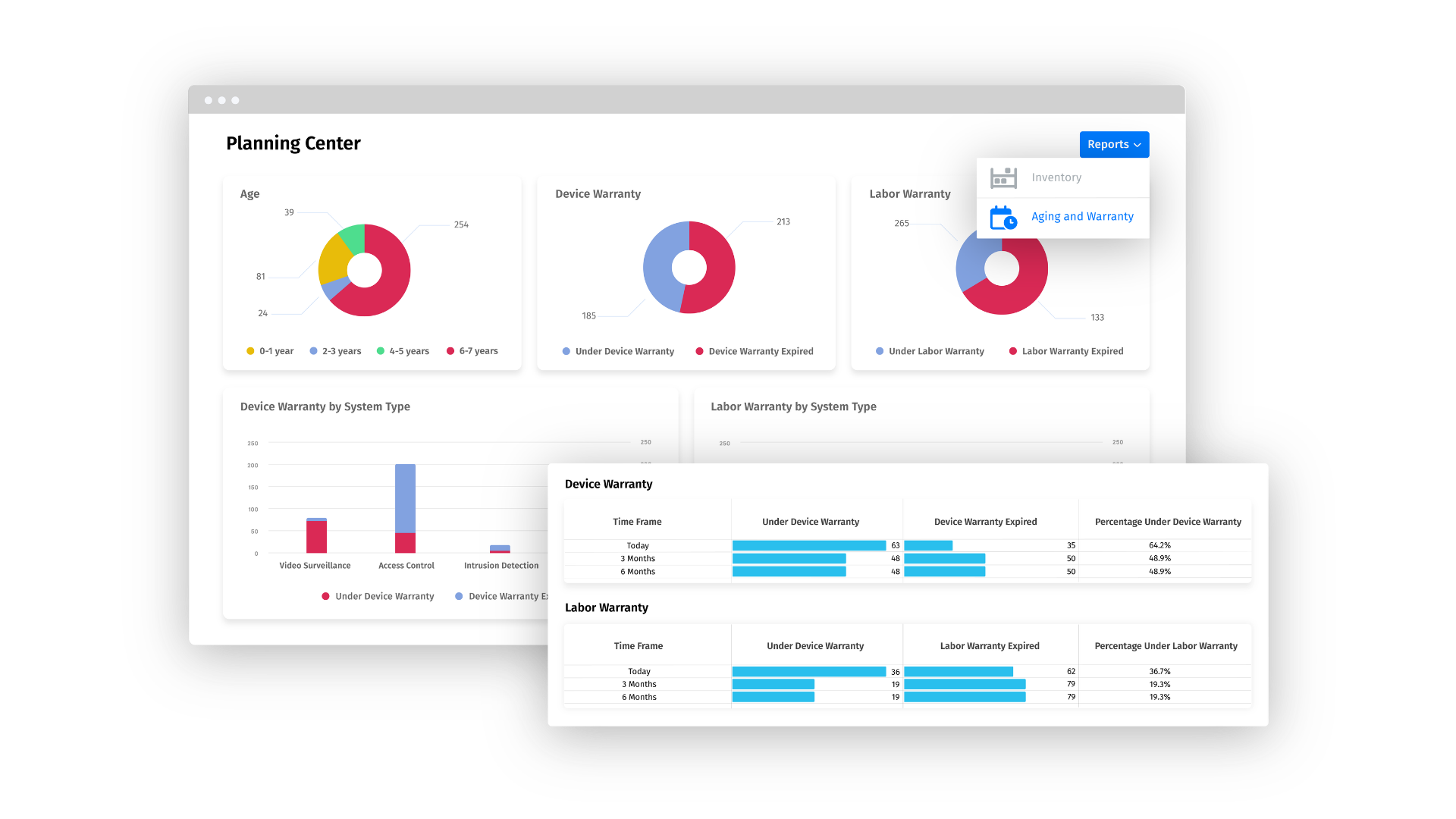
Security infrastructure often remains in place for many years. Planning modernization projects requires clear visibility into existing systems, their age, and their performance over time. Lifecycle management provides the information needed to plan upgrades based on actual infrastructure conditions rather than assumptions.

  • check mark

    Identify aging equipment across substations and facilities

  • check mark

    Track warranty status and end-of-life timelines

  • check mark

    Use device failure history to prioritize upgrades and replacements

Physical security infrastructure management for utility and energy sectors.

Get your copy
Physical security infrastructure management for utility and energy sectors.