At network scale, inconsistency across locations is invisible until it becomes a problem.
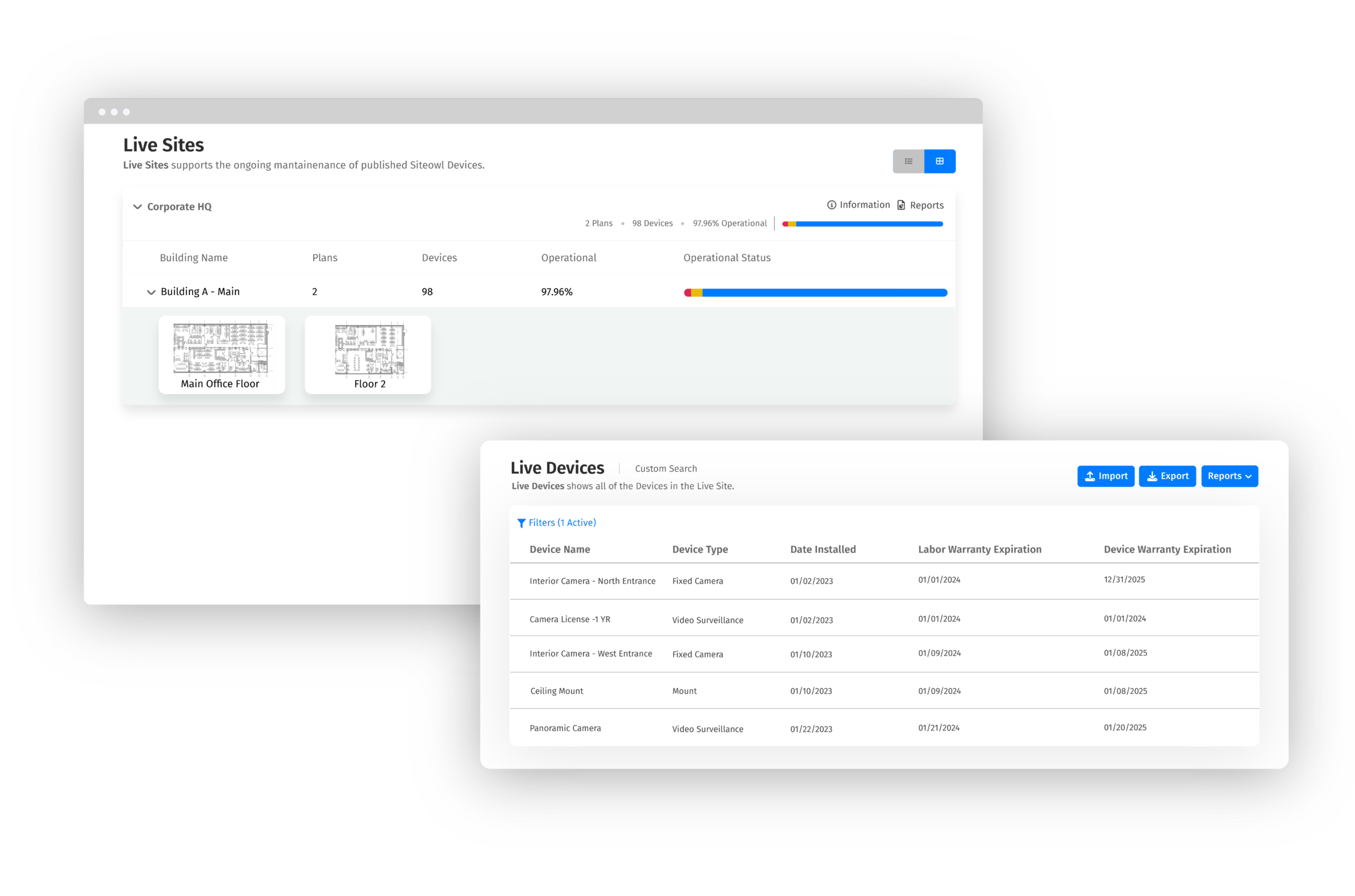
Transportation and logistics security teams are responsible for physical security systems across sprawling networks — distribution centers, terminals, yards, and cross-border facilities, each with its own vendors, timelines, and documentation habits. When every site handles things differently, the security program as a whole has no reliable picture of what exists, what was built to standard, and what is working.
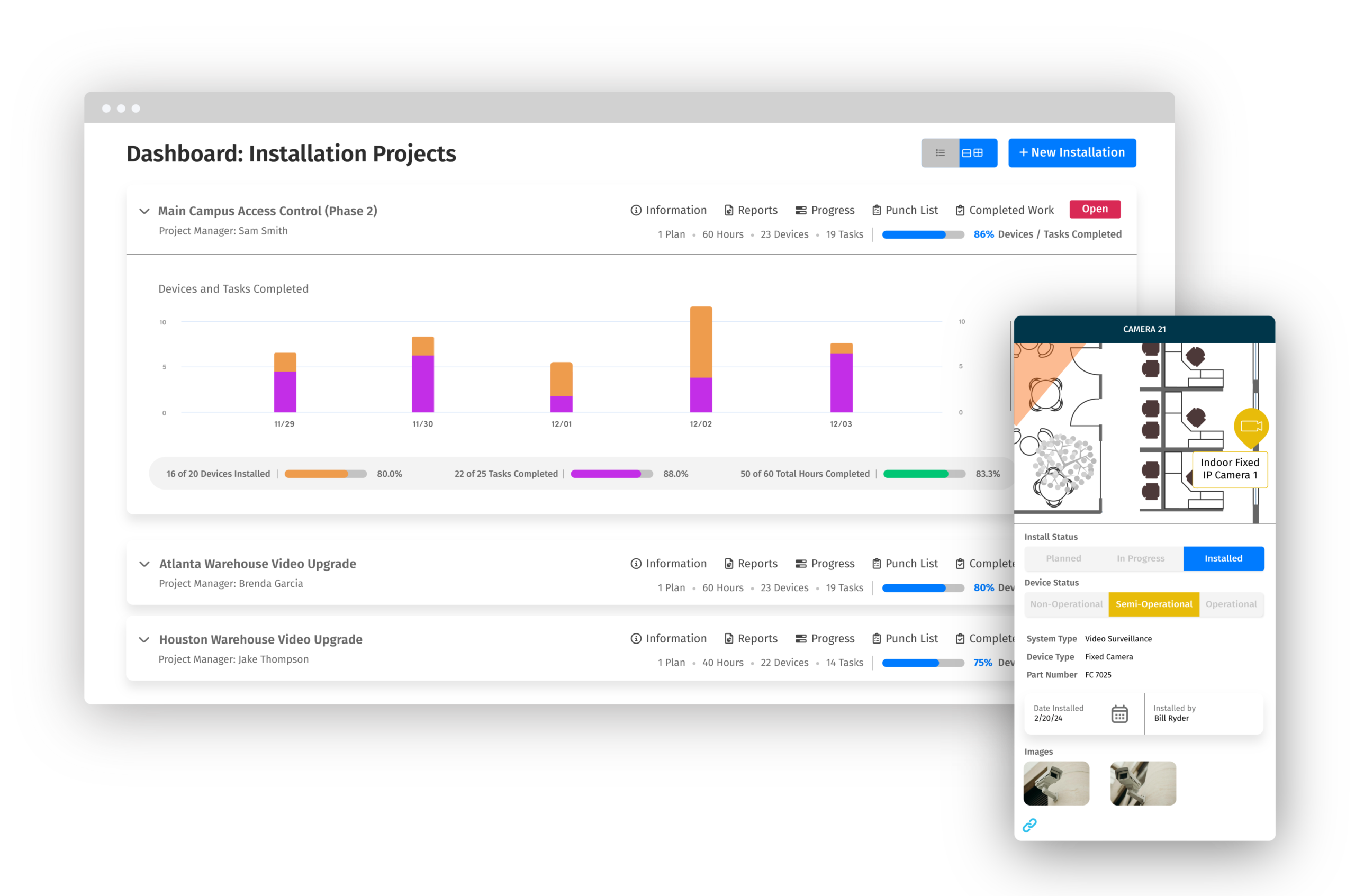
The vendor coordination problem is equally acute. Multiple regional integrators managing their own timelines, reporting by phone or email, with accountability that effectively ends at project handoff. Project managers traveling to sites just to verify that work is progressing. Maintenance discovered through field reports, not proactive tracking.
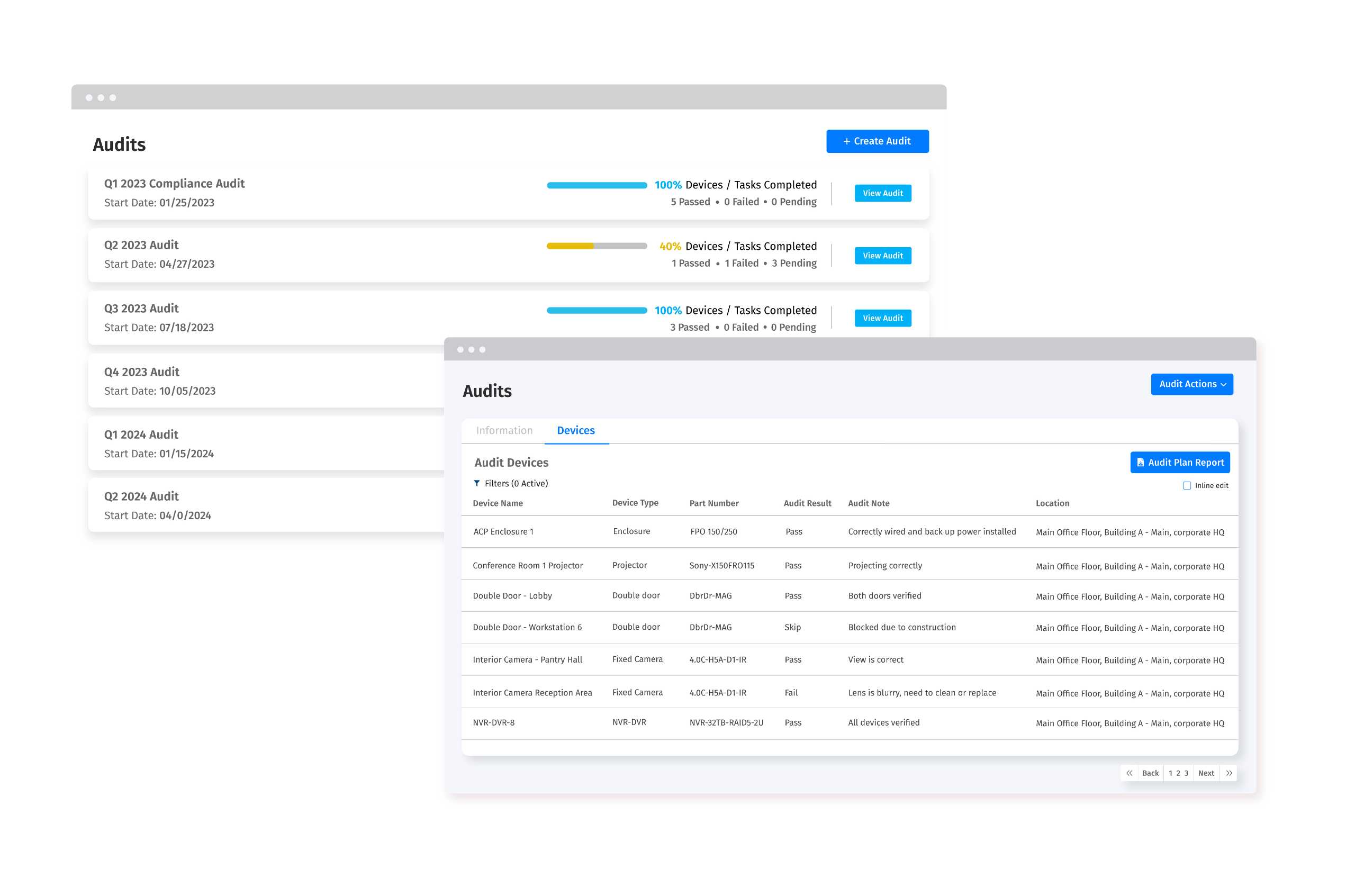
For operators subject to CTPAT requirements, the documentation gap is not just an operational inconvenience. Physical security controls at ports, warehouses, and border facilities need to be demonstrable on demand — not reconstructed from scattered vendor files when a review is scheduled.