Running security across a growing health system means managing infrastructure that is always in motion
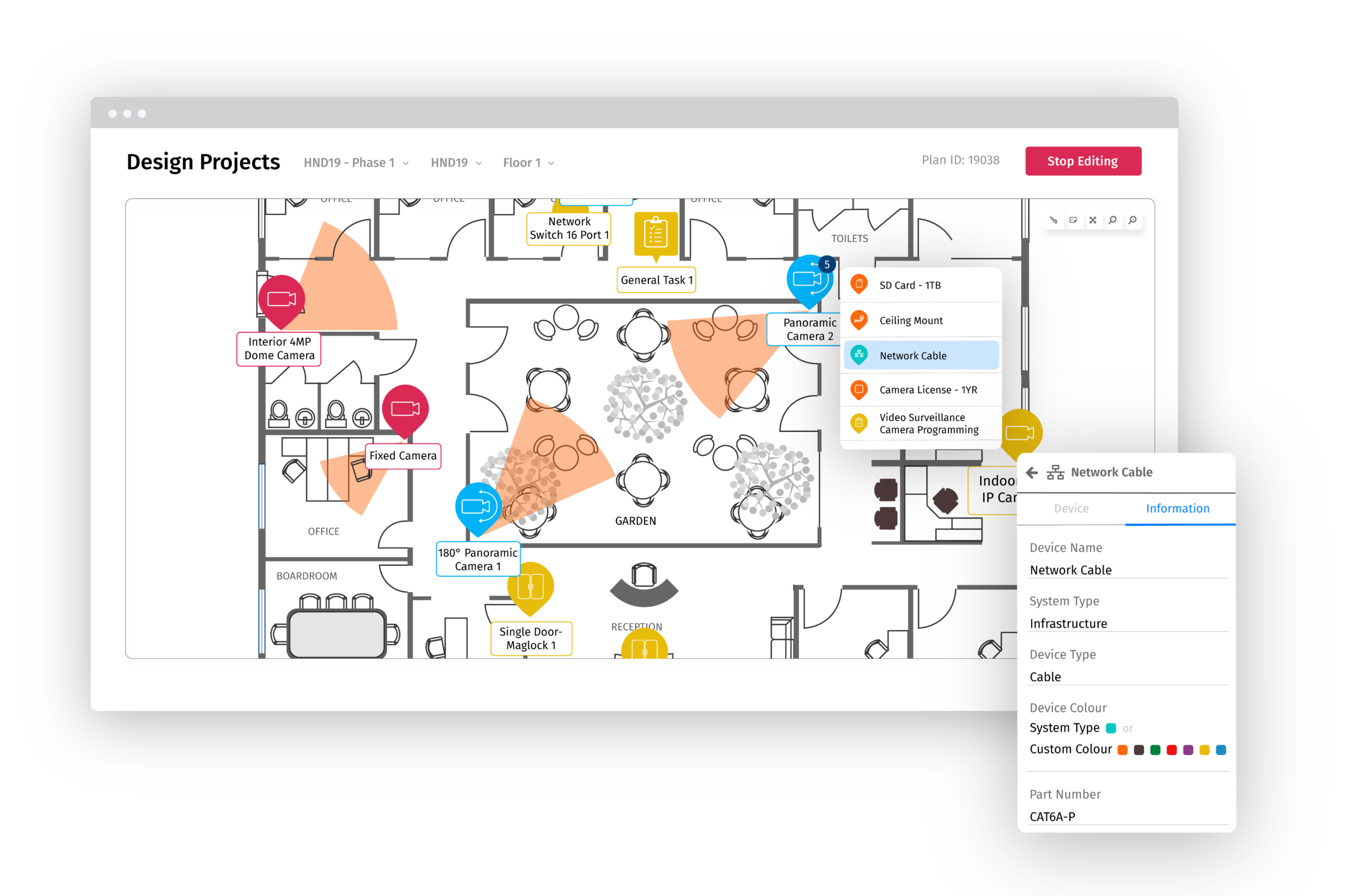
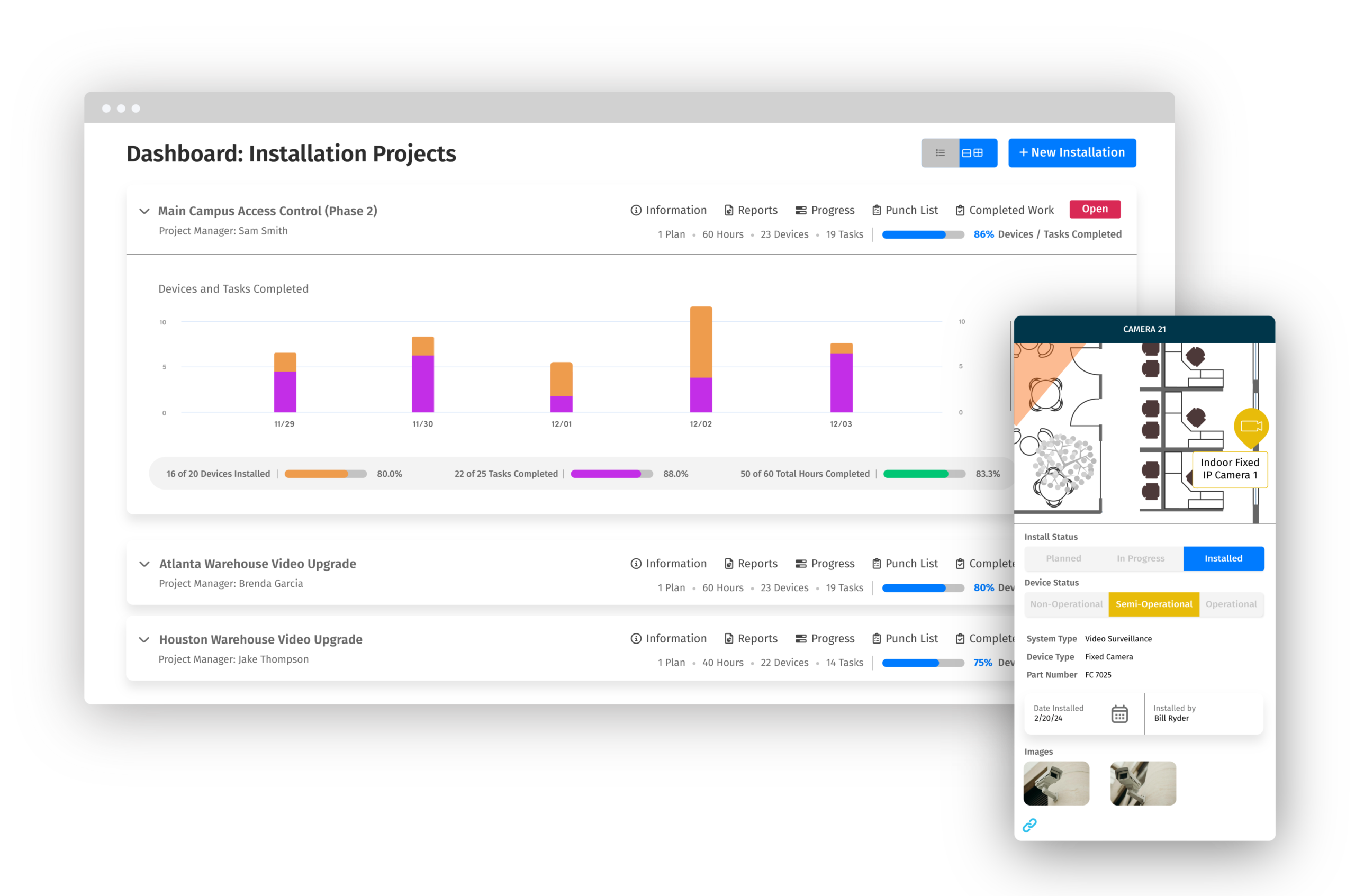
Hospital security leaders are responsible for physical security systems across environments that expand, renovate, and evolve continuously. New buildings come online. Clinics are added. Research facilities are built out. Each project introduces new devices, access points, and vendors layered on top of systems that are already in place and being serviced.
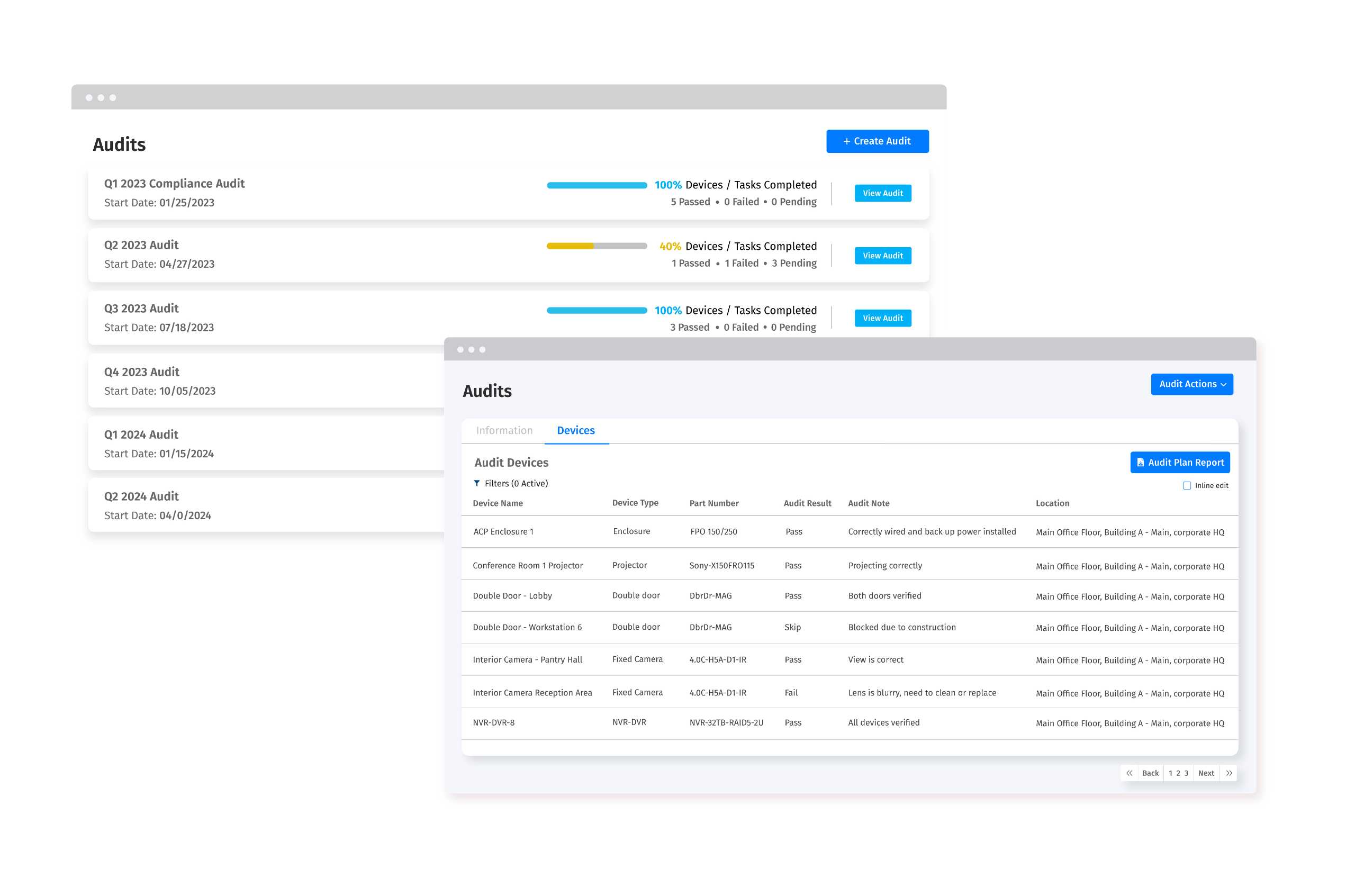
At the same time, the stakes of getting it wrong are high. Cameras cannot have unplanned downtime. Access control failures have direct consequences for patient and employee safety. And when a Joint Commission surveyor or a CMS reviewer asks how a secured area is configured or how a recent change was approved, the answer needs to be immediate and confident, not assembled from emails and vendor files after the fact.
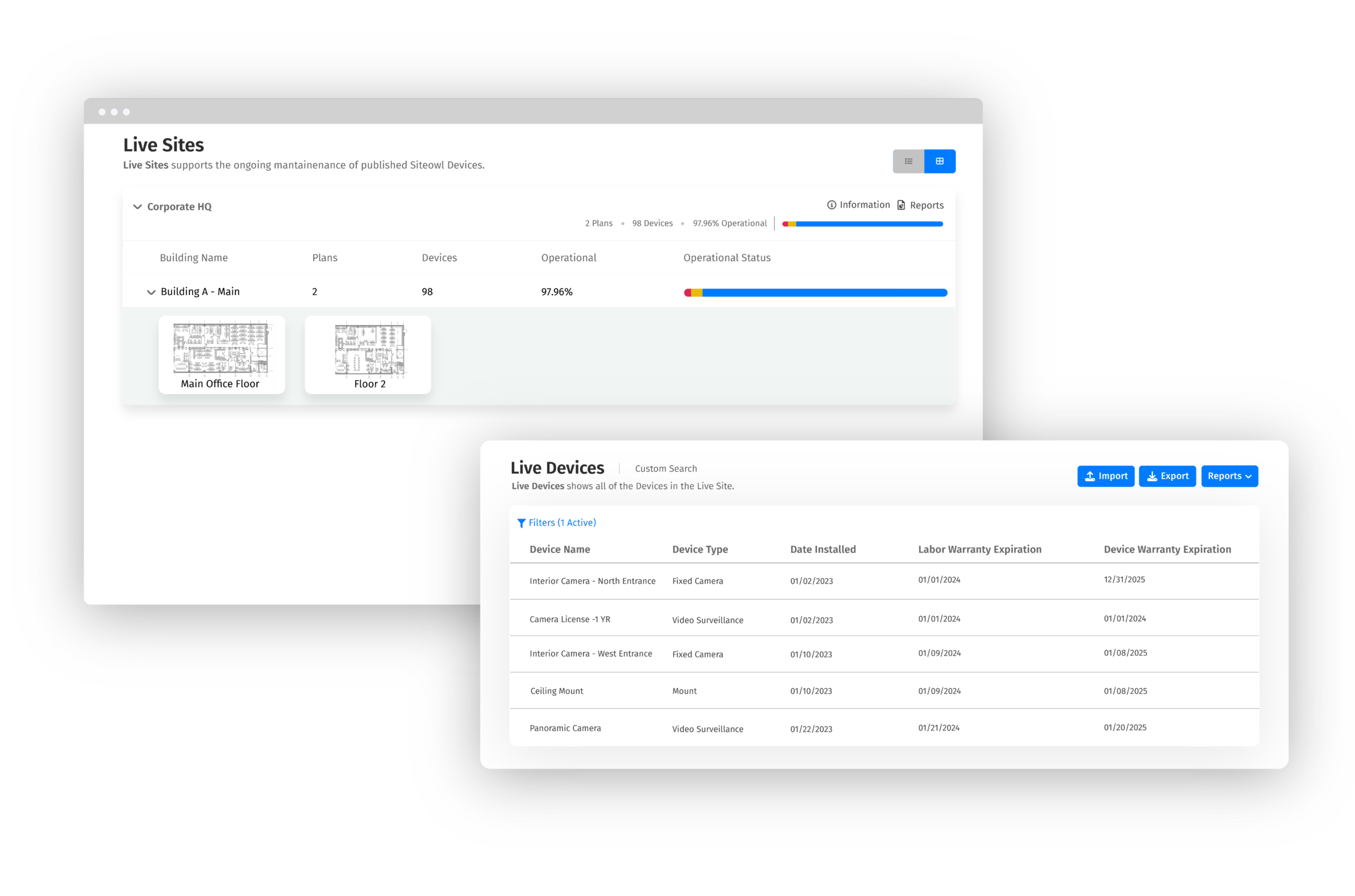
Most security teams are managing this complexity across disconnected tools. As the health system grows, the gap between what is deployed and what is documented widens quietly, until it matters.