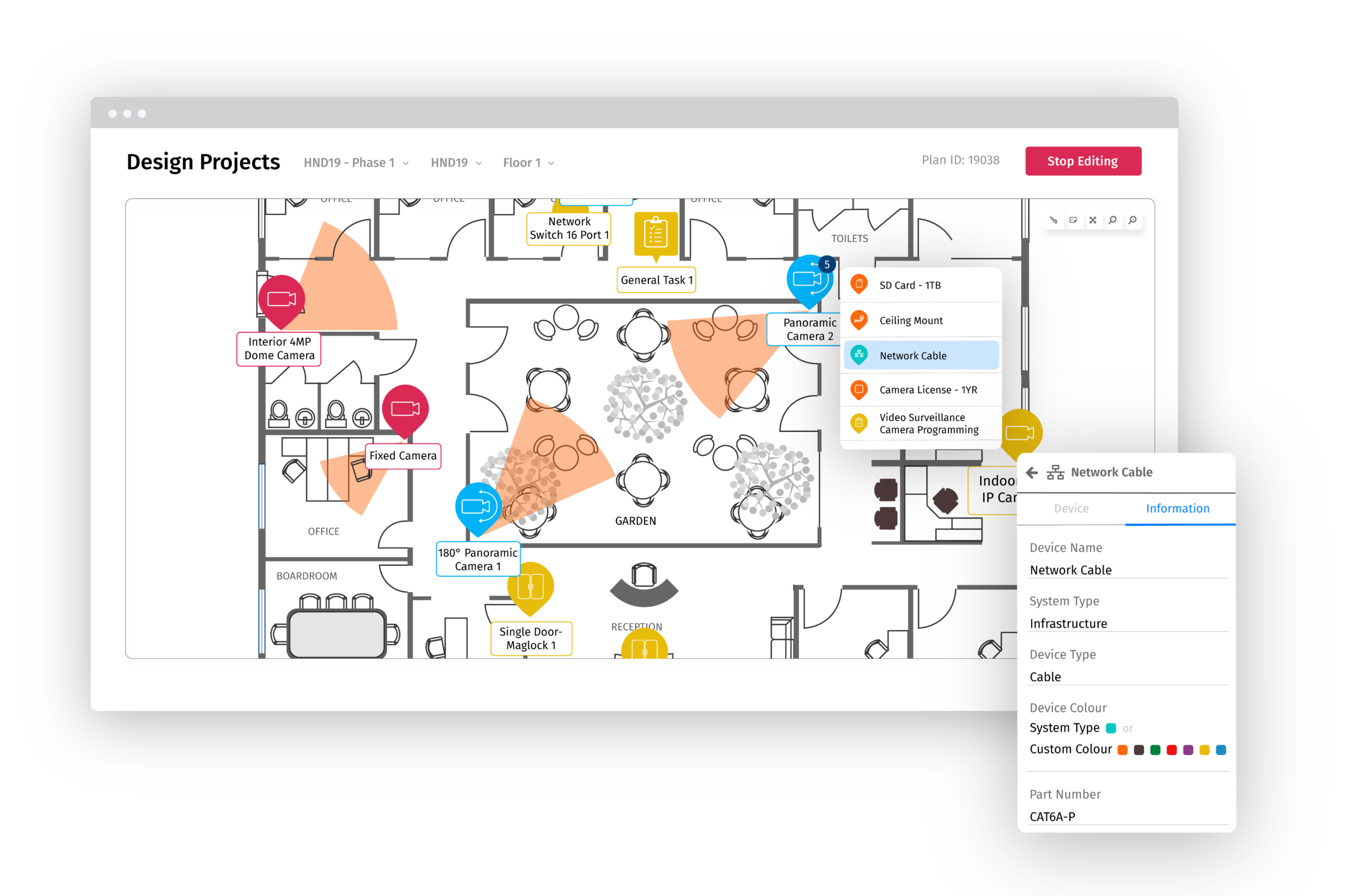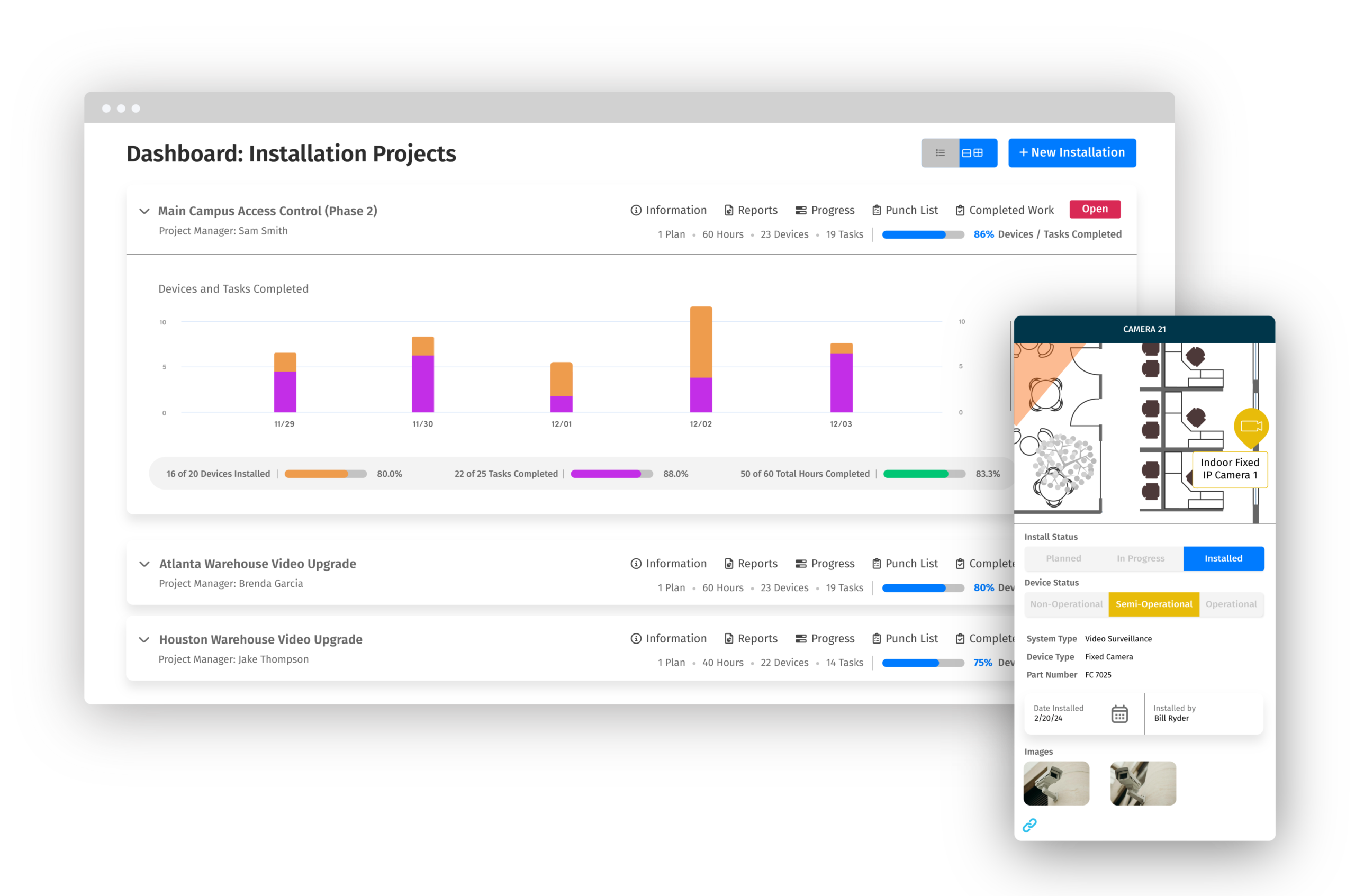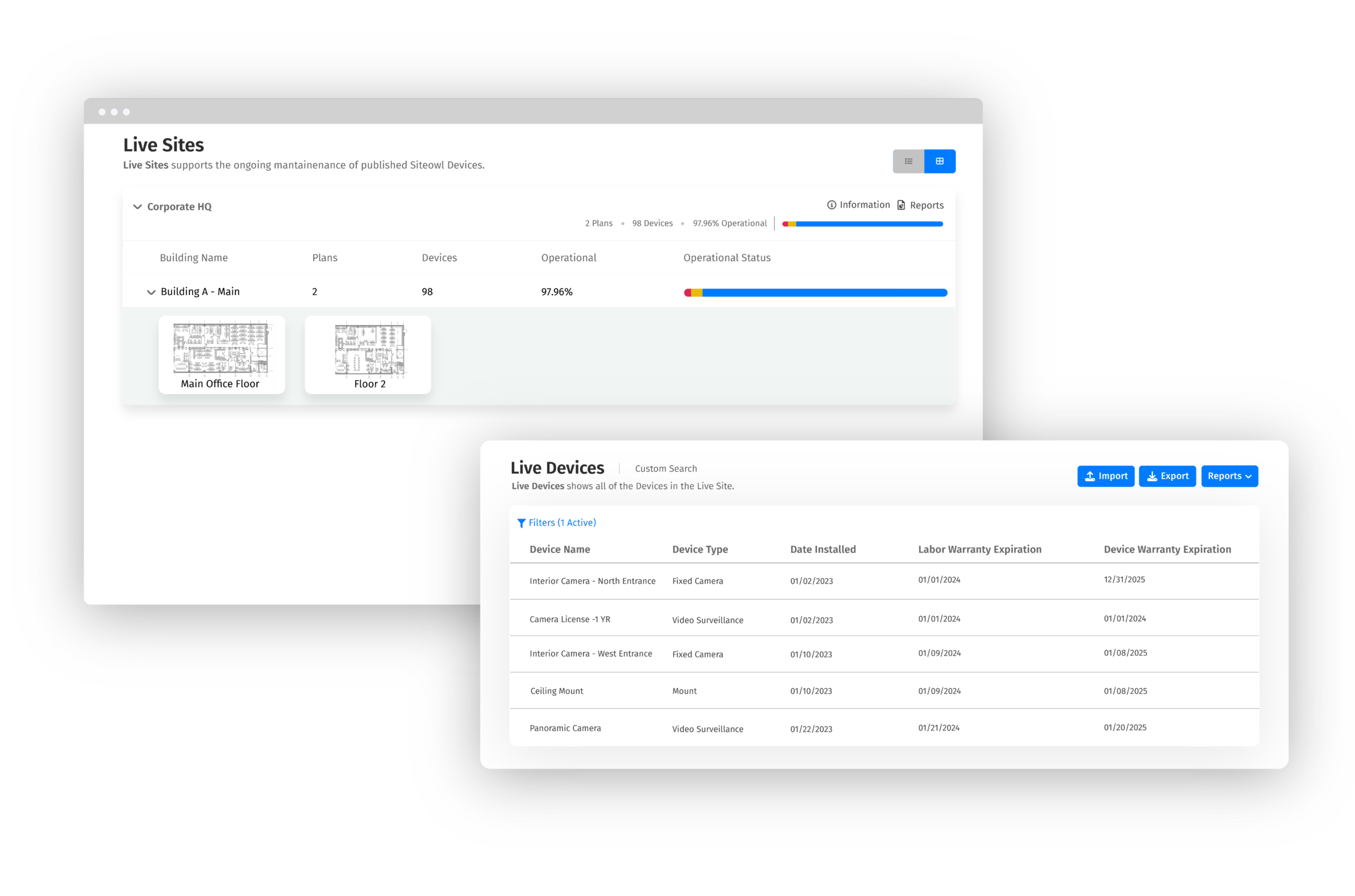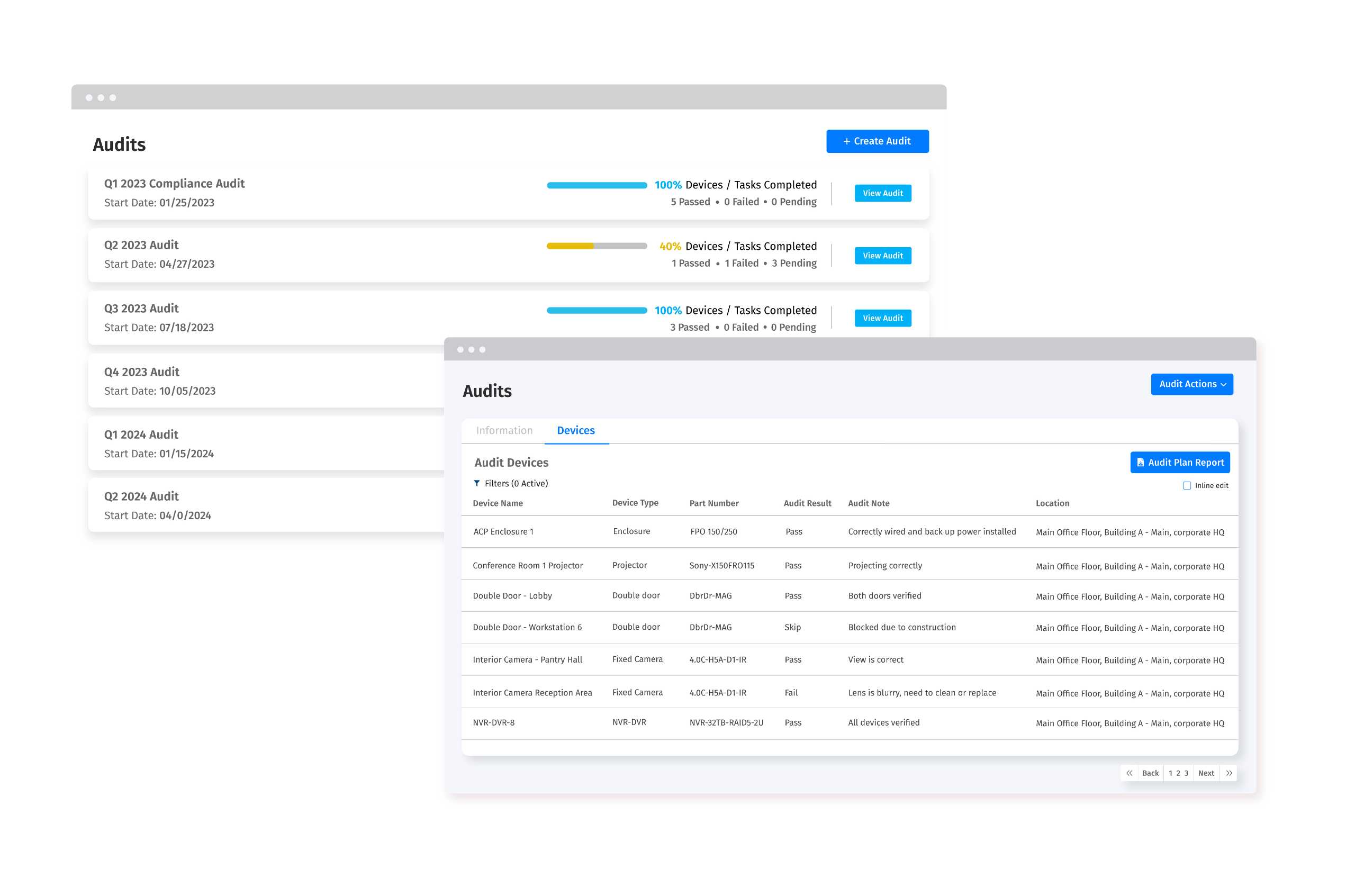
Managing physical security infrastructure across a high-threat industry is harder than it looks.
Banks, credit unions, and financial services firms face a threat environment unlike most industries. Robbery, ATM attacks, smash-and-grab, insider threat — the physical risks are real, recurring, and well-documented. The security infrastructure protecting staff, customers, and assets has to be deliberately designed, correctly installed, and consistently maintained to do its job.
The difficulty is that most institutions manage that infrastructure across a complex, distributed environment — branches, operations centers, data centers, and leased office space — each with different equipment, different vendors, and different histories. When something fails, or when a gap is identified, knowing what's in place and whether it's current is rarely straightforward.
Regulators know this. GLBA, FFIEC examination guidelines, and OCC standards require institutions to document and maintain physical safeguards and demonstrate ongoing oversight. The compliance burden exists because the stakes are high — and institutions that cannot produce accurate records of their physical security program are exposed on both fronts.